Data Engineering

Data Transformation & Scalable Pipelines

We design and build robust data pipelines with either Palantir Foundry or a custom setup tailored to each customer’s architecture, scale, and governance needs.

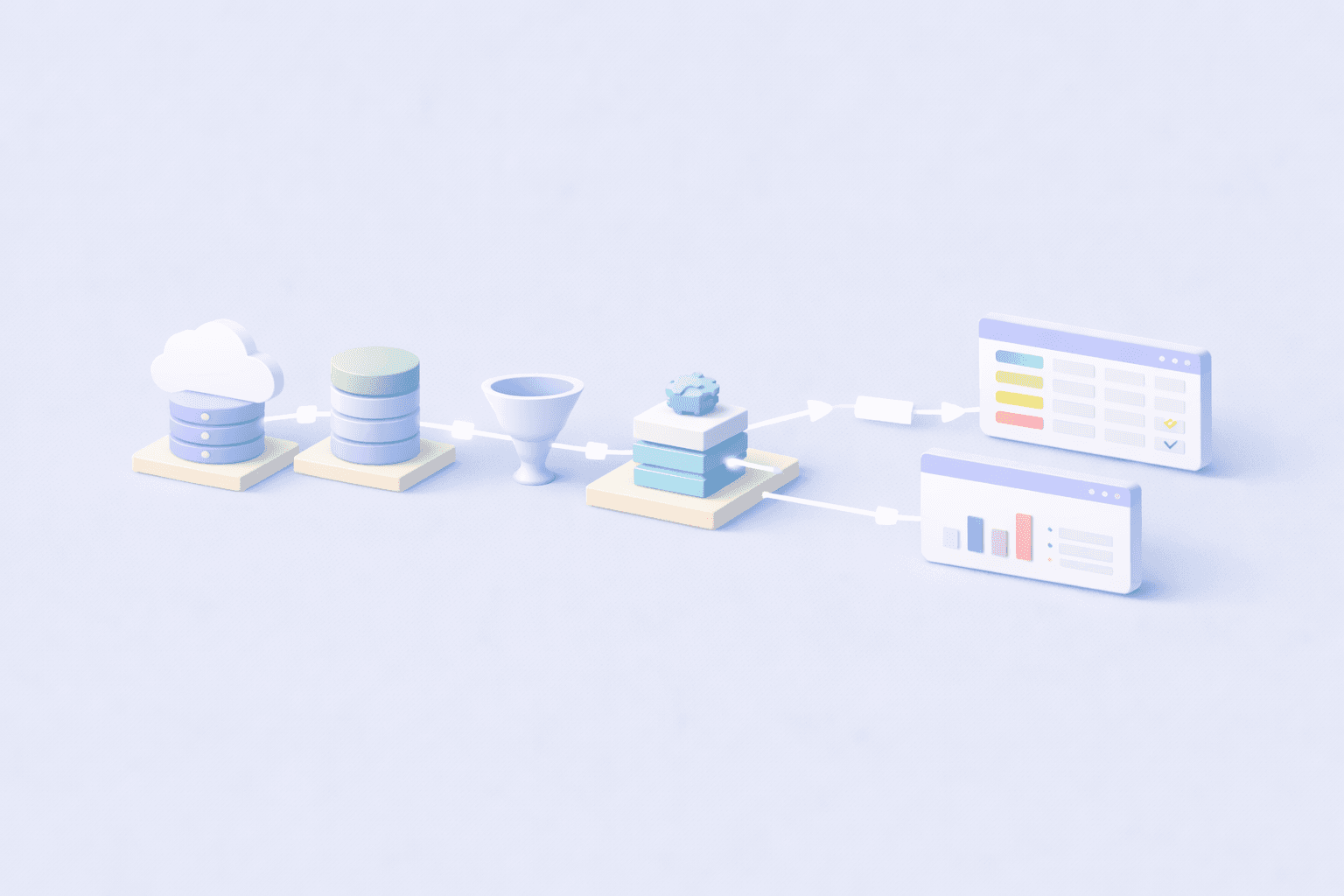
Data pipeline diagram

How we turn complex data landscapes into reliable business workflows

The examples below reflect the type of data and workflow challenges we solve in Foundry environments. Our approach combines product thinking, architecture clarity, and close collaboration with domain teams so solutions are practical from day one.

As former Forward Deployed Engineers at Palantir, we bring hands-on experience from high-impact Foundry implementations. We focus on pipelines and applications that stay understandable for builders and valuable for end users over time.

  • Ease of use for operational teams and business stakeholders
  • Maintainability of data models, transformations, and workflows
  • Reliability of data pipelines and decision-critical outputs
  • Maximizing the value end users can create with Foundry
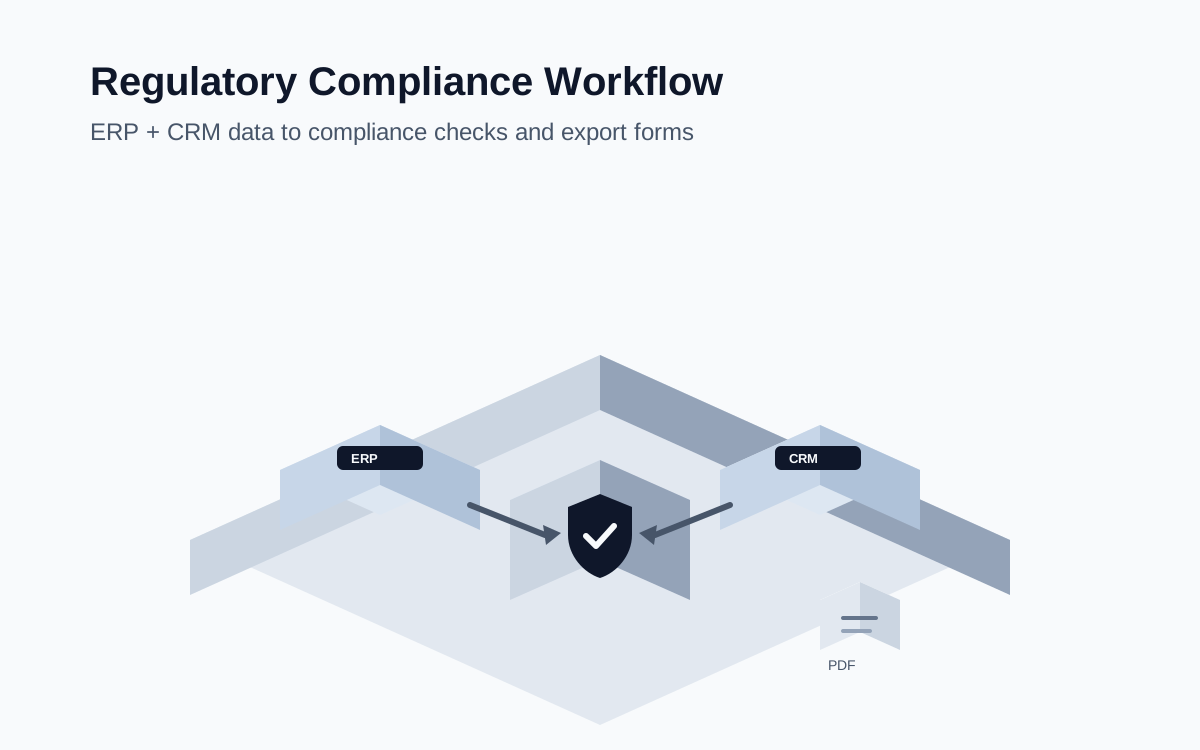
Regulatory Compliance Workflow

Regulatory Compliance Workflow

International sales workflows were standardized across ERP and CRM data sources, including traceability and role-based review flows.

Challenge: Sales data came from multiple systems with inconsistent quality. The manual review process lacked standardization and introduced regulatory risk.

Solution: We built a shared ontology, implemented compliance checks as a workshop app, and automated document generation including PDF export.

Foundry products used

  • Foundry Ontology
  • Workshop
  • Object Explorer
  • Granular Access Controls
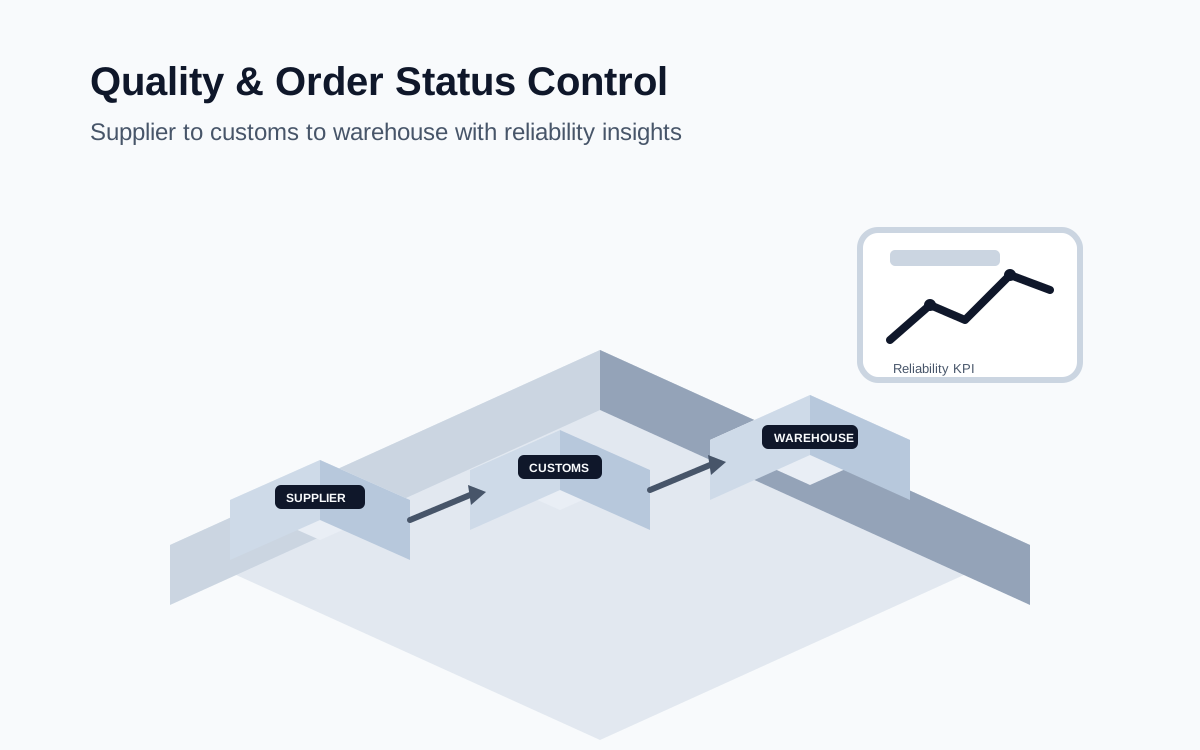
Quality & Order Status Control

Quality & Order Status Control

An analysis workspace connects supplier, order, and quality data to predict delivery reliability and parts availability with clear data signals.

Challenge: Multiple SAP sources were hard to integrate, while end-to-end visibility from supplier shipment to warehouse intake was missing.

Solution: We modelled the full order and delivery process in Foundry and delivered an analysis workspace to support quality and delivery decisions.

Foundry products used

  • Foundry Ontology
  • Pipeline Builder
  • Workshop
  • Data Lineage
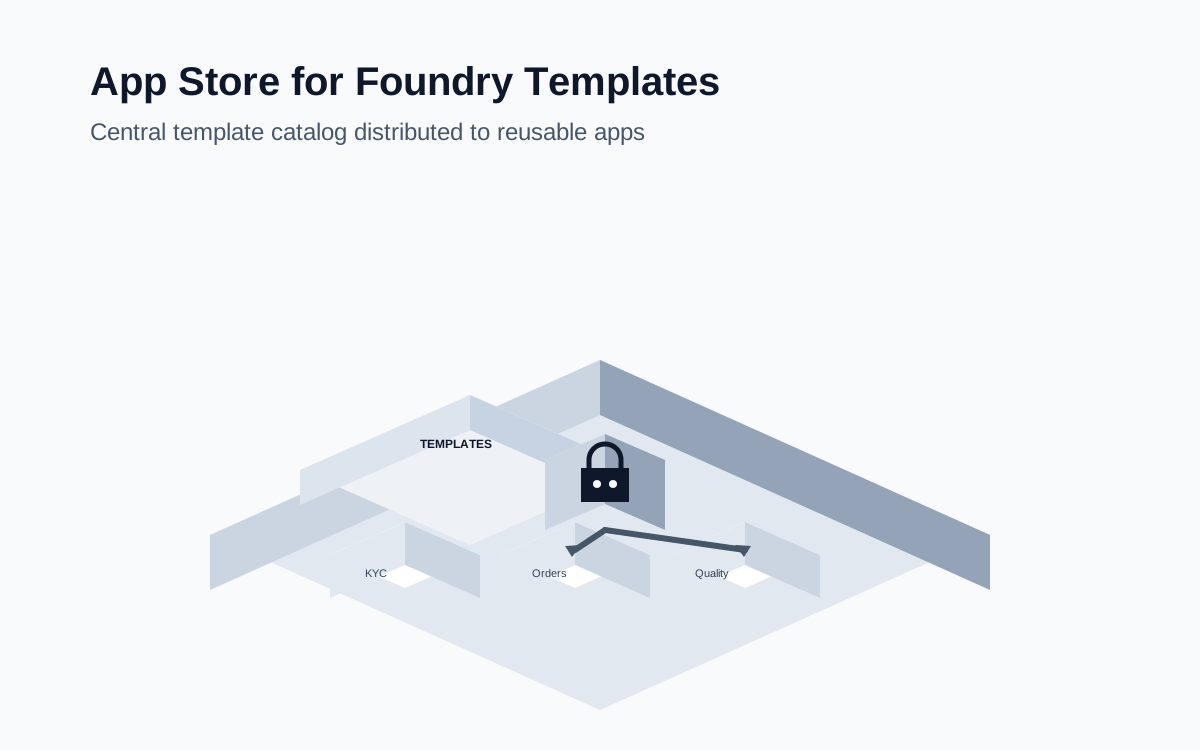
Client-side App Store for Foundry Templates

Client-side App Store for Foundry Templates

Template-based apps and workflows are structured for fast reuse, so business teams can launch internal solutions more efficiently.

Challenge: Business teams needed faster access to reusable Foundry templates without rebuilding each solution from scratch.

Solution: We designed an app-store approach for internal Foundry templates with clear categorization, governance, and onboarding-ready rollout logic.

Foundry products used

  • Workshop
  • Slate
  • Foundry Marketplace Patterns
  • Access Controls

Ready to turn your data landscape into reliable workflows?

If you have a concrete pipeline challenge, we can review your setup and propose a practical delivery path.

What are data pipelines? ETL explained simply

Data pipelines move data from many source systems into a structure that teams can use for reporting, operations, and decisions. A common pattern is ETL: Extract, Transform, Load.

Diagram showing ETL data pipeline flow

Extract (E)

Extract means collecting data from source systems such as ERP, CRM, APIs, files, and internal databases.

Transform (T)

Transform means cleaning, validating, combining, and modelling data so it is consistent, reliable, and usable across teams.

Load (L)

Load means publishing the prepared data into target systems, dashboards, applications, or workflows where end users can create value.

Core technologies in modern data pipelines

Depending on your setup and requirements, we combine platform-native and custom components to keep delivery fast and maintainable.

  • Palantir Foundry
  • SQL
  • Python
  • dbt
  • Airflow / Orchestration
  • APIs & Event Streams
  • Apache Iceberg
  • Spark / PySpark
  • Kafka

Raw setup vs. Palantir Foundry

Raw setup: Maximum flexibility with custom tooling and full control over infrastructure choices, but usually more implementation and maintenance overhead across ingestion, orchestration, governance, and monitoring.

Palantir Foundry: Integrated tooling for ontology, lineage, governance, and operational workflows in one platform, which reduces integration friction and helps teams deliver use cases faster.

Back to projects overview